
2026-2027 ARTIST-IN-RESIDENCE & ARTIST FELLOWS
The Creatives Project is proud to announce the 2026–2027 Artist-in-Residence Cohort, hosted at Goat Farm. Selected through a competitive review process, these exceptional artists will participate in an 18-month residency centered on artistic development, collaboration, and community engagement. Each A.I.R receives dedicated studio space at Goat Farm, providing the time and structure needed to deepen their practices and take creative risks. Throughout the residency, artists will participate in professional development opportunities that strengthen their practices, expand their networks, and support sustainable creative careers. The cohort will also host public-facing programs — including open studios, workshops, and community events.
For this residency cycle, TCP is partnering with ChopArt, an organization that promotes dignity, community, and opportunity for middle and high school–aged youth experiencing homelessness through multidisciplinary arts immersion and mentorship. Artists in the upcoming cohort will lead ChopArt’s Creative Toolkit, a trauma-informed visual arts program designed specifically for these youths.
The residency will culminate in a group exhibition in 2027, celebrating the work developed during their time at TCP.
abby Gregg
Abby Gregg is an Interdisciplinary Artist based in Atlanta, GA, working primarily in Painting, Sculpture, and Sound. She holds an MFA in Studio Arts from the San Francisco Art Institute, a BFA in Painting and Art-Education from the University of Georgia, and currently teaches as a Visiting Assistant Professor of Art at Oglethorpe University.
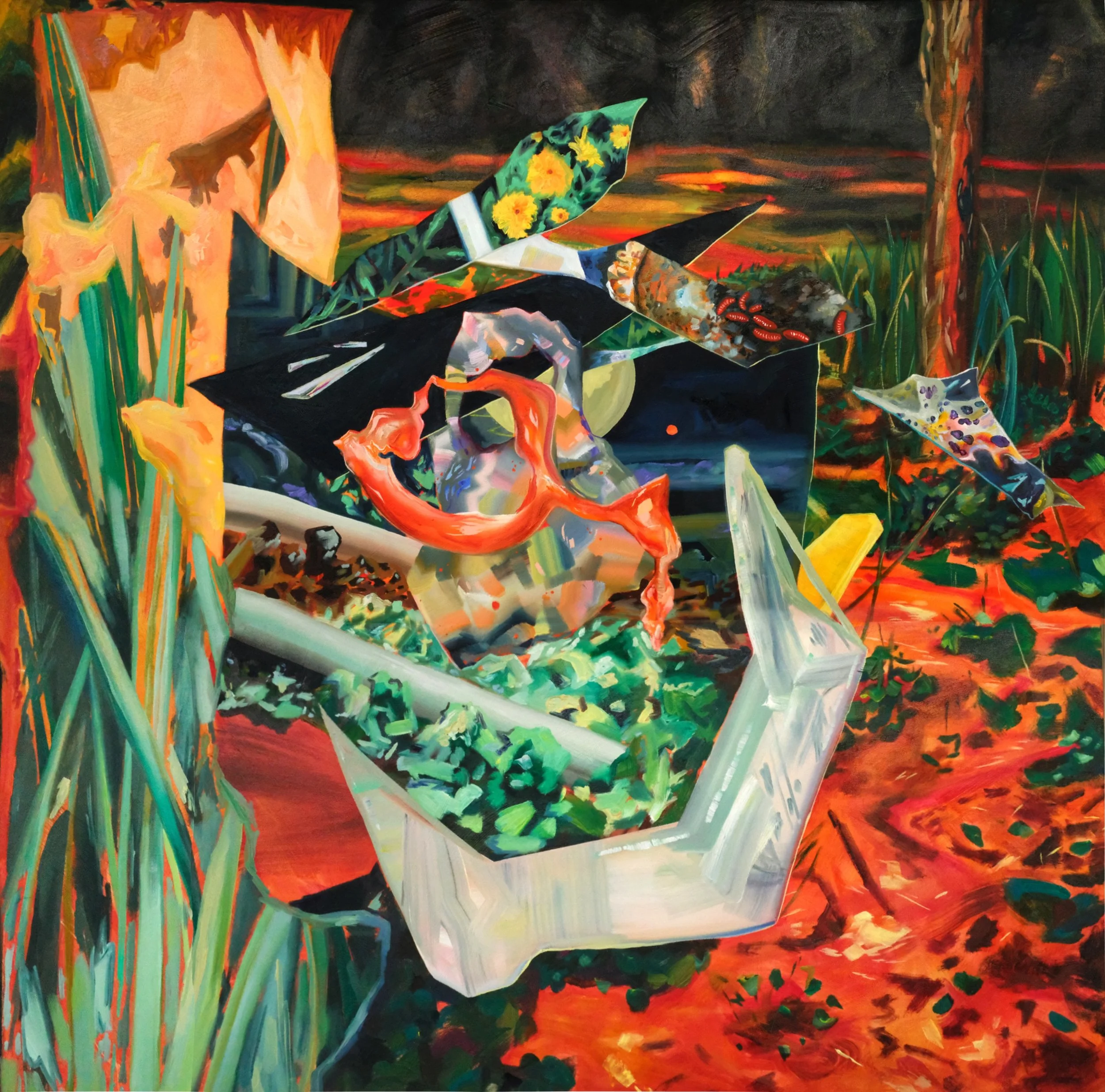
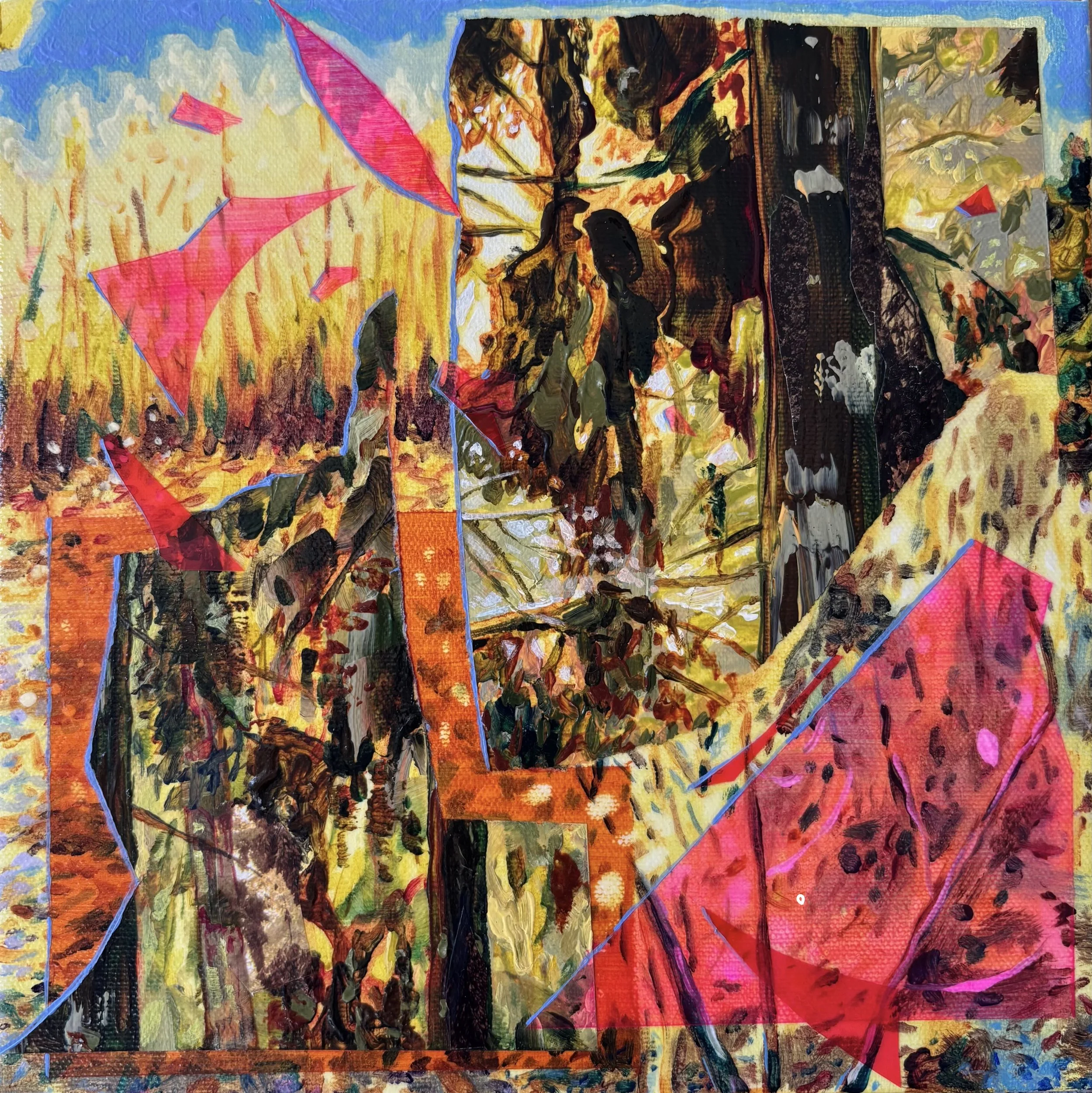
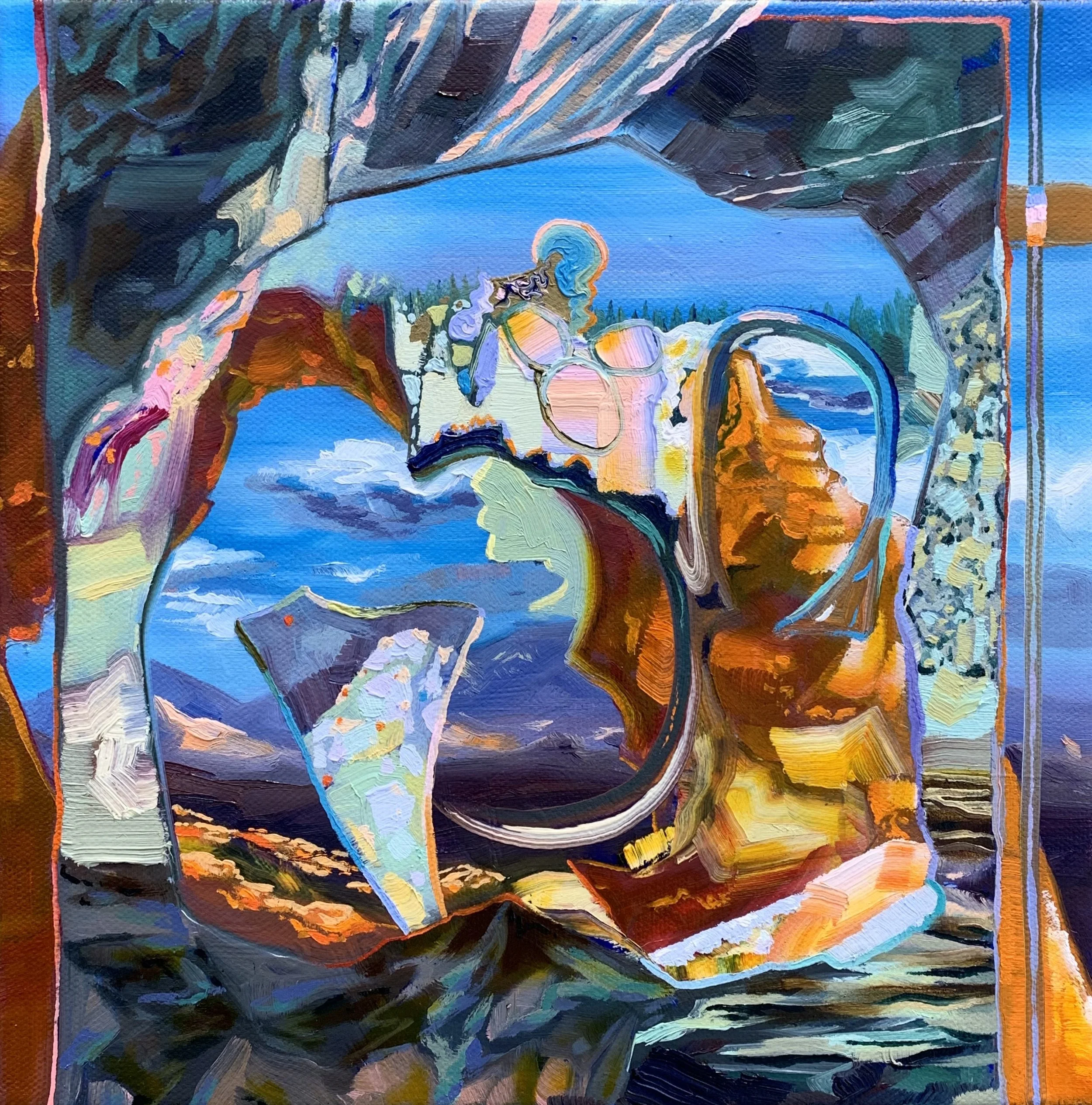
Abby’s artworks are grounded in ideas of landscape and place, from the tactile & specific to the cosmic & multidimensional. Her playful yet reverent practice stems from the wonder of deep time and the prismatic, complex nature of our experiences. There’s beauty and devastation in the consistency of change. This essential, constant flux connects us to the deep past and future. Abby creates with reverence for our innate interconnectedness and considers each piece a collaboration. Her work deepens her relationship to herself and the world around her, and is fueled by deep, joyous, painful love and curiosity.
ARIEL DANIELLE
Ariel Dannielle is an African-American painter born and raised in Atlanta, GA. She graduated from the University of West Georgia, where she received a Bachelor of Fine Arts. Ariel’s work has been showcased at the Venice Biennale, California African American Museum, Jeffery Deitch Gallery, Monique Meloche Gallery, Soco Gallery, UTA Atlanta, Harvey B. Gantt Museum, Art Fair Atlanta, Atlanta Art Week, Mint ATL, The Goat Farm, ZuCot Gallery, Dalton Gallery, Trio Contemporary Art Gallery, Sheetcake Gallery, and Perez Museum Miami. She was an Artadia 2024 winner, MOCA GA Working Artist Fellow of 2019-20. She also showcased her first mural with Living Walls x Adult Swim in Atlanta, Georgia, in 2022.
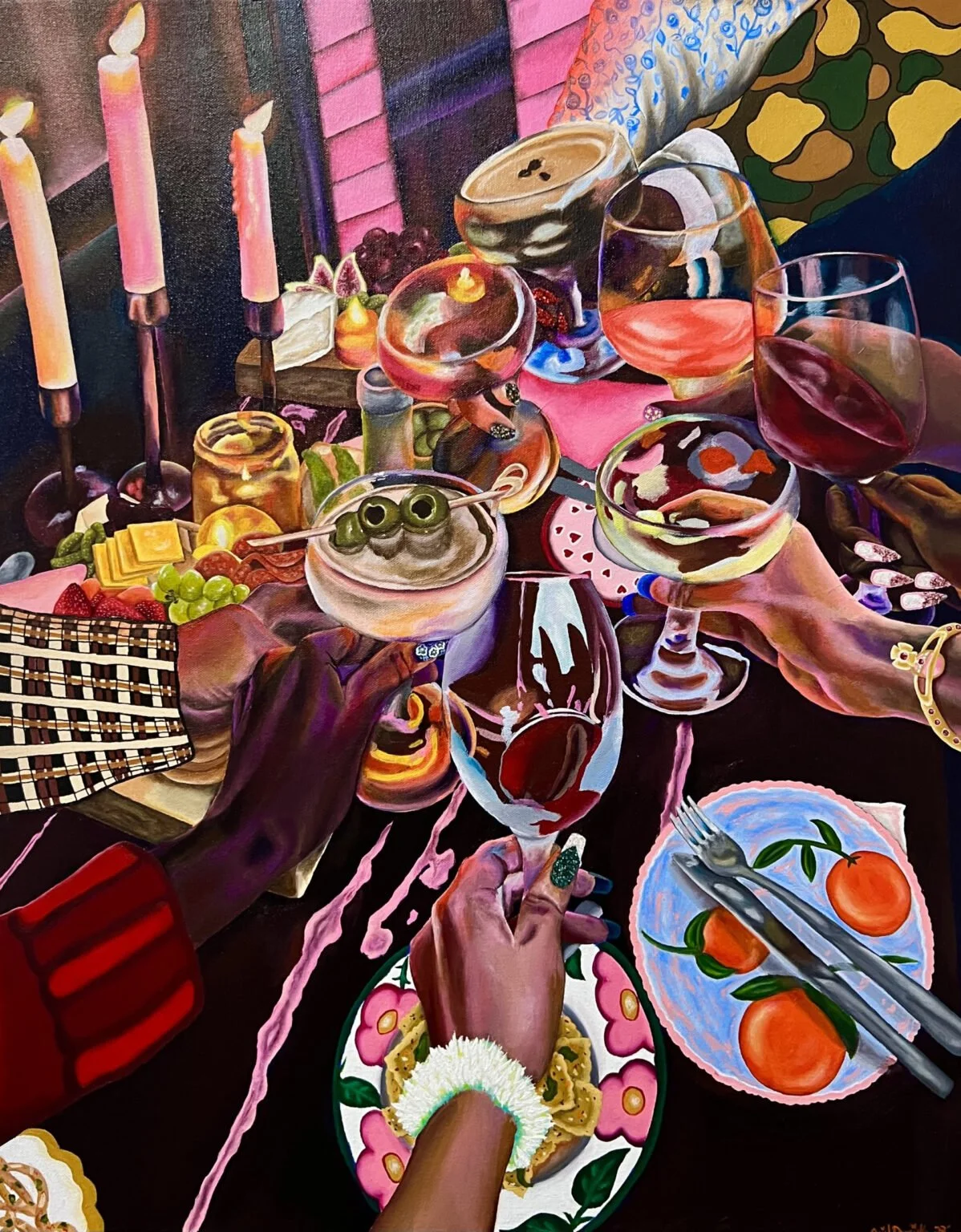
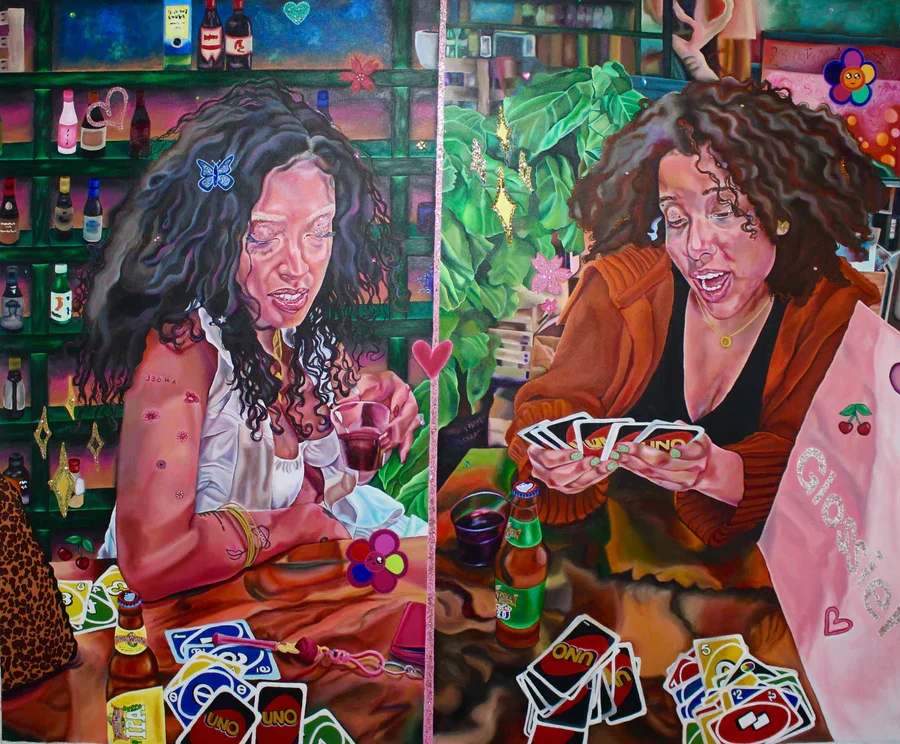
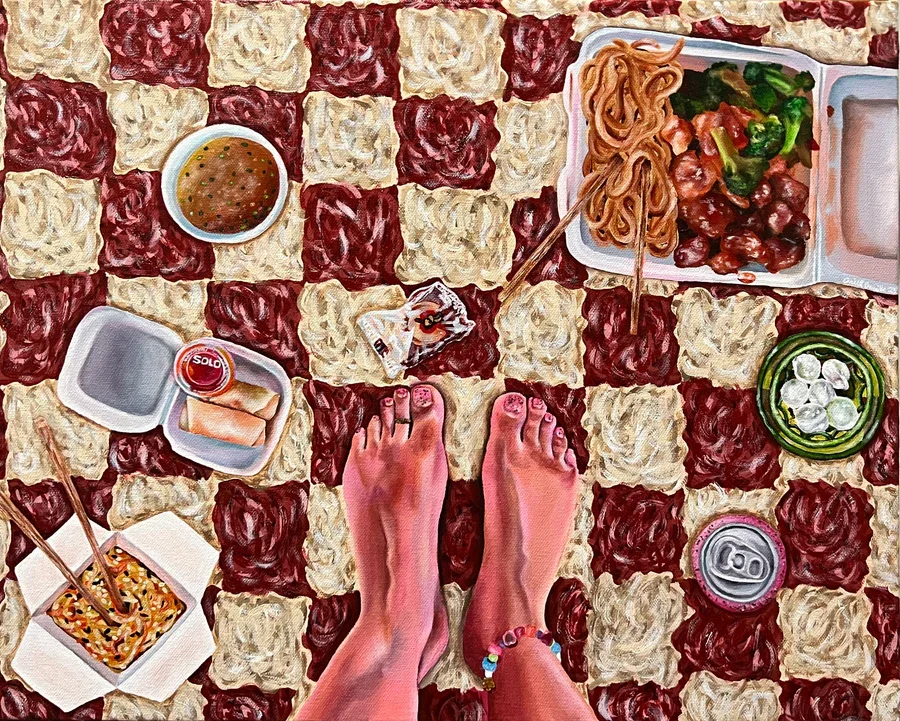
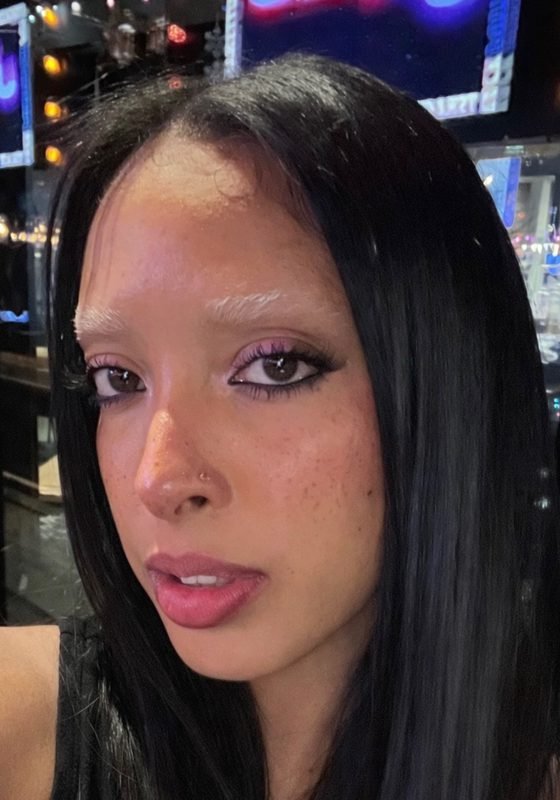
Drawing directly from her life, Ariel creates large-scale paintings that depict the daily experiences of young Black women through her personal and playful lens. This acrylic archive has enabled her to explore aspects of the mundane, human vulnerability, and connection. Dannielle focuses on developing personal narratives within her portraits that challenge gender and racial stereotypes. By placing herself in the paintings, Dannielle invites viewers to participate in a process of introspection.
José Ibarra Rizo
José Ibarra Rizo (American, born Mexico) is a lens-based artist based in Atlanta, GA. His work explores cultural memory, migration, and identity, with a focus on the migrant experience in the American South. He was awarded the inaugural Emerging Artist Fellowship by the Atlanta Center for Photography, named a finalist for the 2022 Aperture Portfolio Prize, recognized as one of three recipients of the 2022 Atlanta Artadia Awards, selected as a 2023–2024 Working Artist Project Fellow by MOCA GA, and named a 2025 PhotoWork Senior Fellow. José’s work is held in the permanent collections of the High Museum of Art, the Virginia Museum of Fine Art, and the Michael C. Carlos Museum. His clients include Rolling Stone, TIME, and The New York Times.
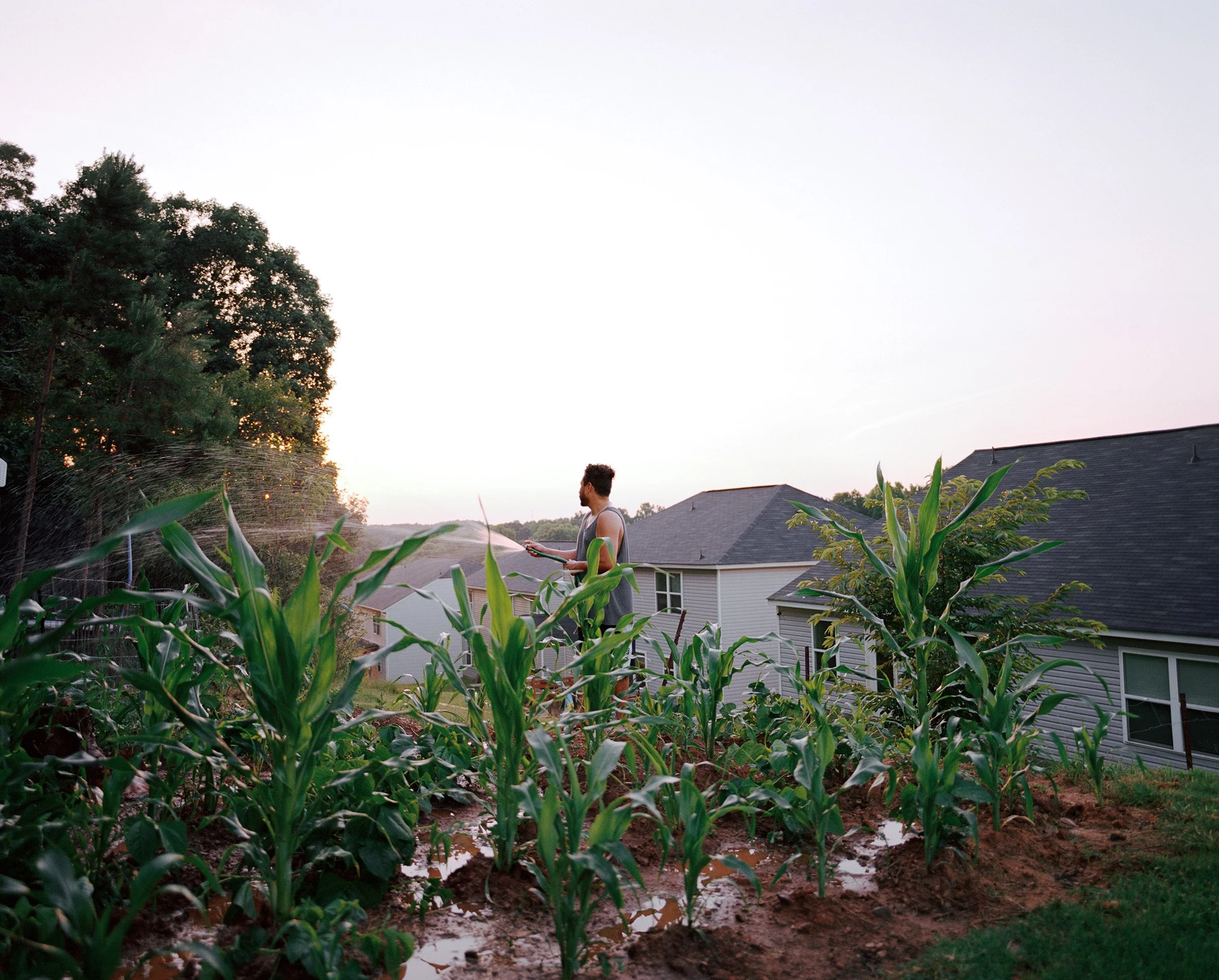
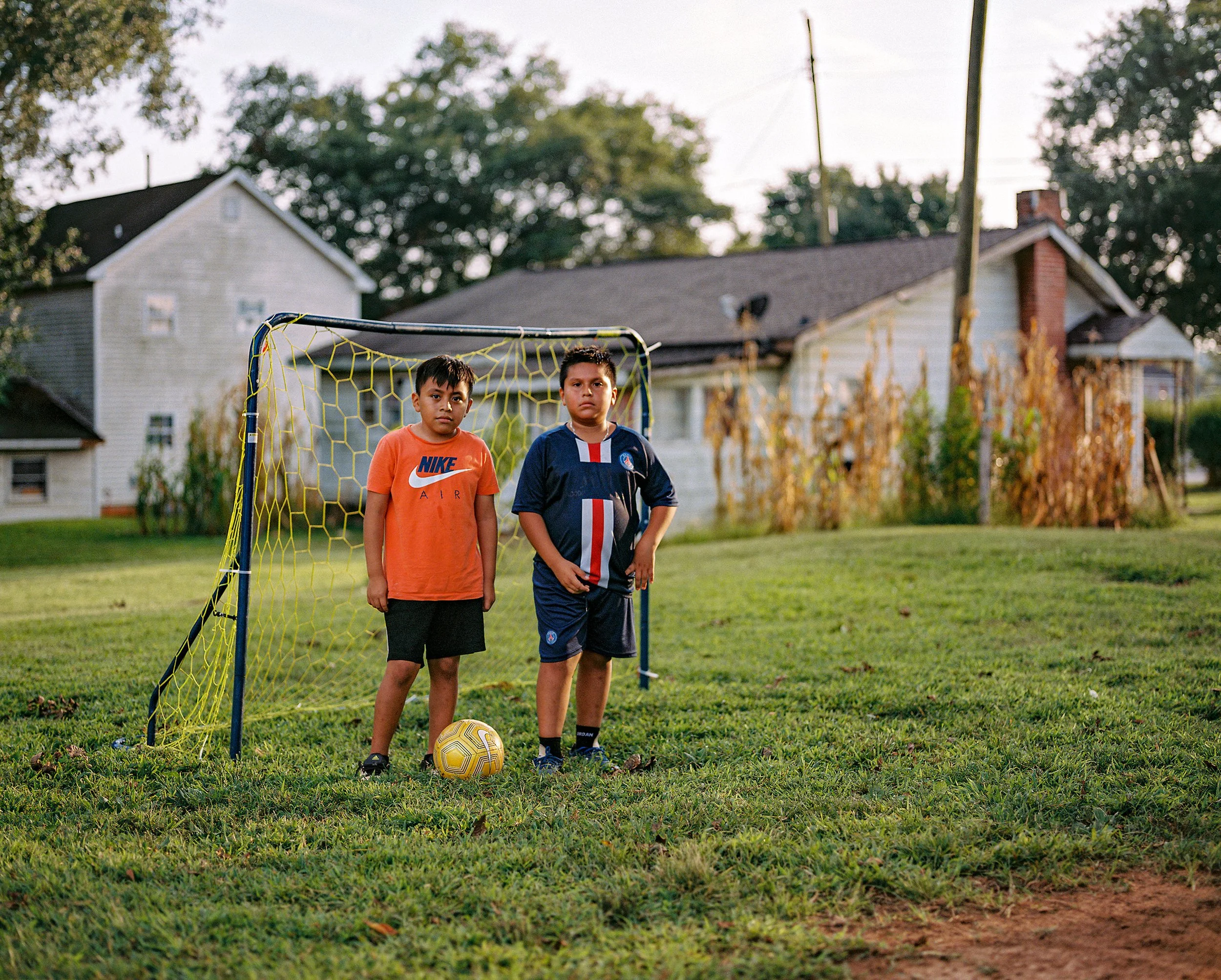
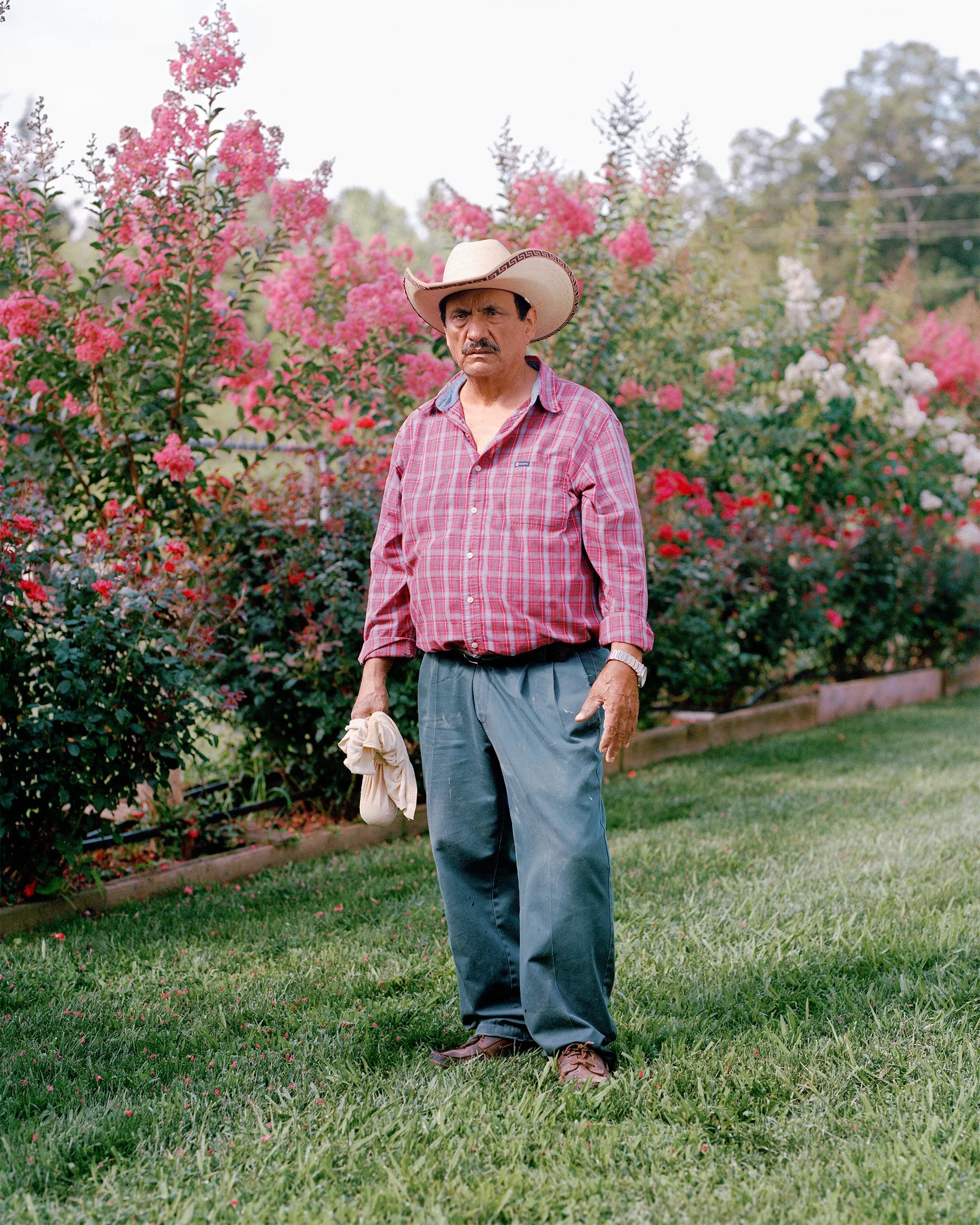
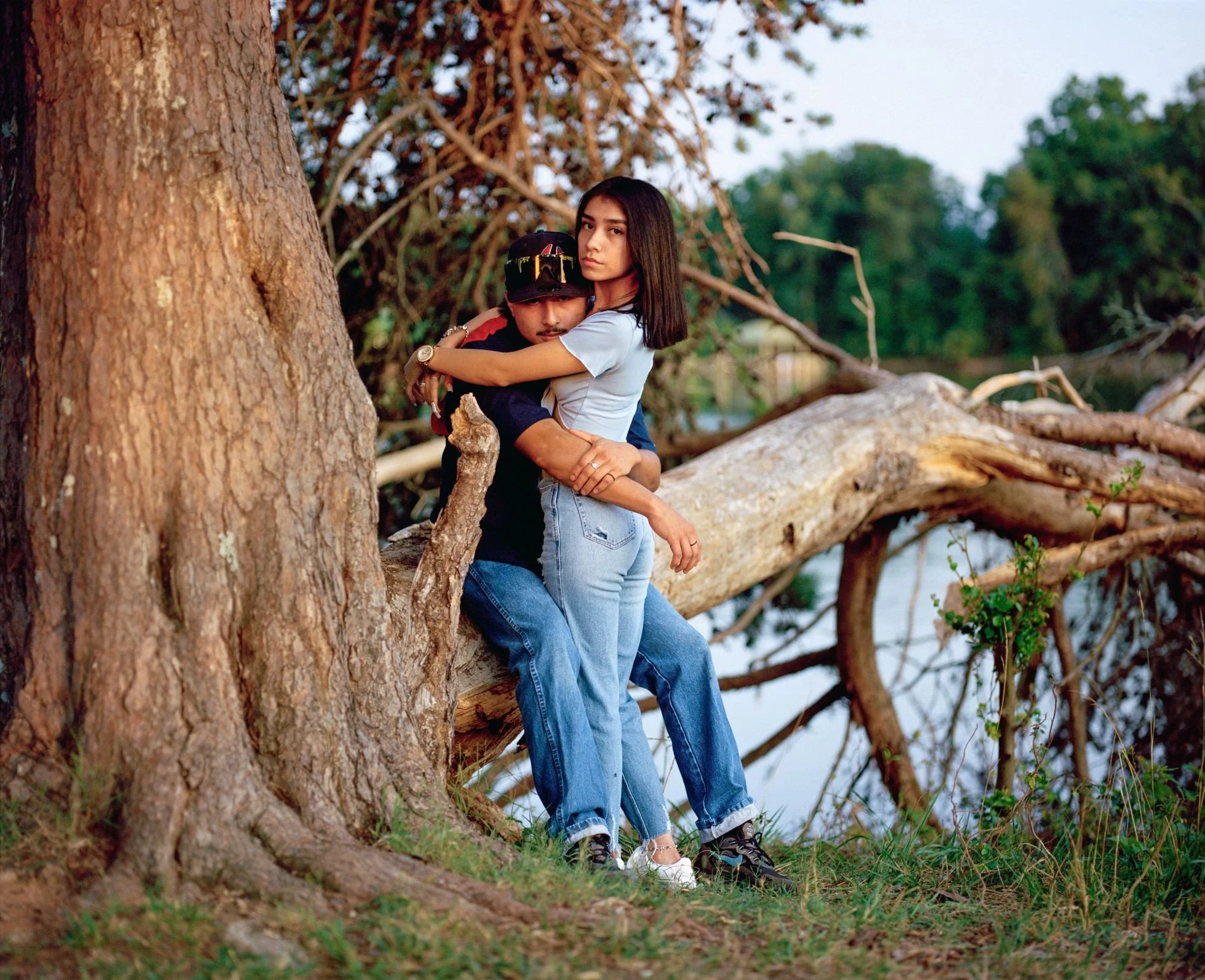
José’s work explores cultural memory, migration, and identity, with a focus on documenting the migrant experience in the American South. Since 2021, he has been developing a long-term project to understand and visually articulate the Latinx migrant experience in the region. He is particularly interested in questions of identity—such as what it means to be American—and he uses imagemaking as a way to engage with and work through these ideas.
N. Masani Landfair
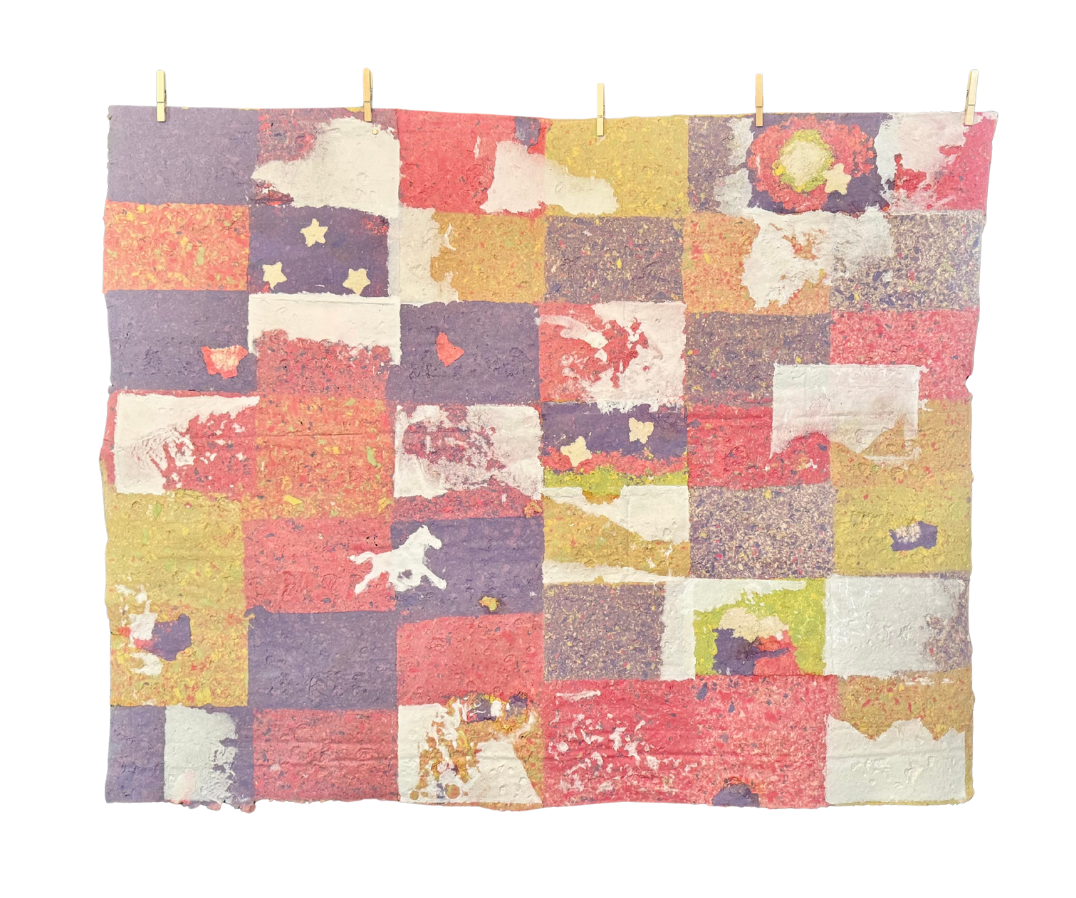
N. Masani Landfair is a Found Object, Collage, Mixed Media Artist, Poet, and Photographer from Chicago. A Professional Artist for over 30 years, who won First Place in 2004 at the Museum of Science and Industry's Black Creativity Juried Exhibition. N. Masani has shown at the South Side Community Art Center, Prizm Art Fair, Global Art Project in Italy, Mexico, and Senegal, at the San Francisco International Arts Festival, Bridge Red Art Center, Cindy Rucker Gallery, and Sikkema Jenkins & Company. Her work is featured in The Black Collagist Book, and several National and International publications, and is in the collection of the Illinois State Museum. She currently resides and works in Northern Georgia.


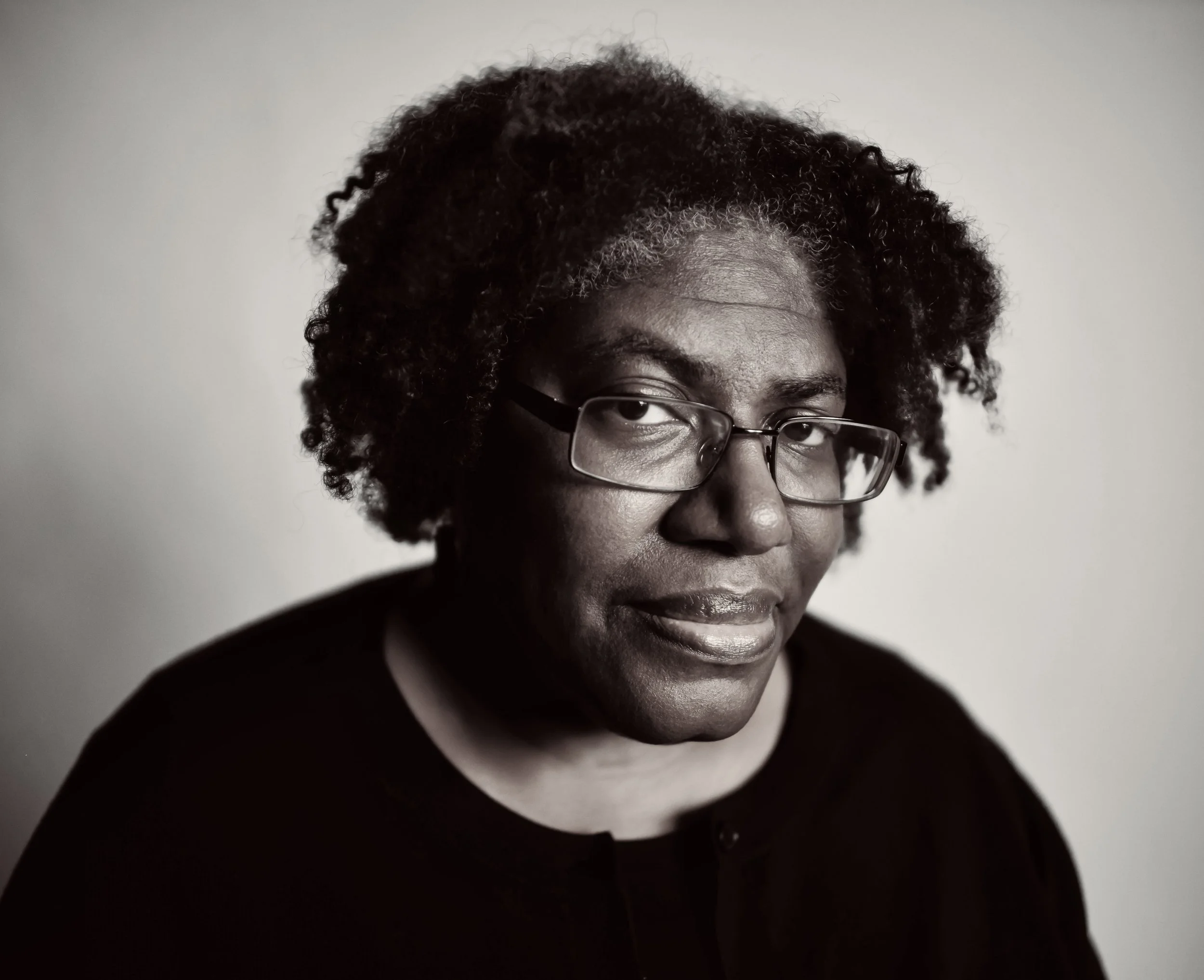
Born and raised in the South Chicago community, N. Masani grew up a bystander to the decline of the steel mill and a parade of barges traveling to the mouth of the Little Calumet River. Witnessing rusting warehouses, machines, and other manmade structures surrounded by wild flora uprooting and reclaiming the earth, she came to understand the havoc these industries had on the environment and grew to respect nature. Her work is a reflection of how she emotionally deals with seeing the man-made damage to our natural surroundings and the healing she experiences as she merges collage, photography, repurposing materials, and installation art.
LEX TURNBULL
Lex Turnbull is a southerner who approaches art as a jack-of-all-trades. Since they work with concepts that range from how our body makes musical scores to reimagining public space; they rely on video, printmaking, sculpture, and everything in between. To sum up their work, Lex uses art as a tool for exploring and exploiting our understanding of reality, while embracing its comedy and tragedy. As an avid community connector, their work is often rooted in the ways our understanding and survival are reliant on each other and investigates our interconnectedness from a place of hope.
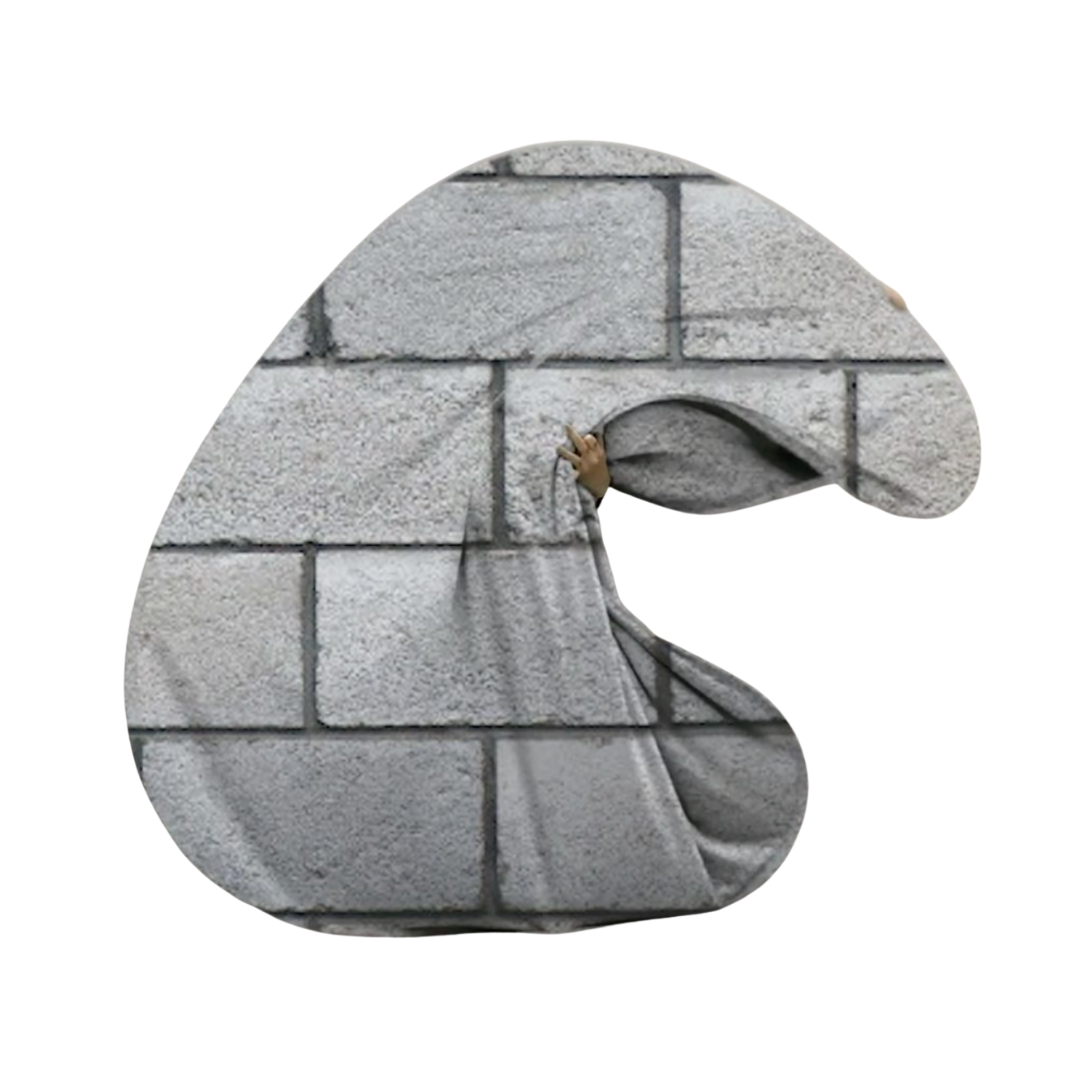
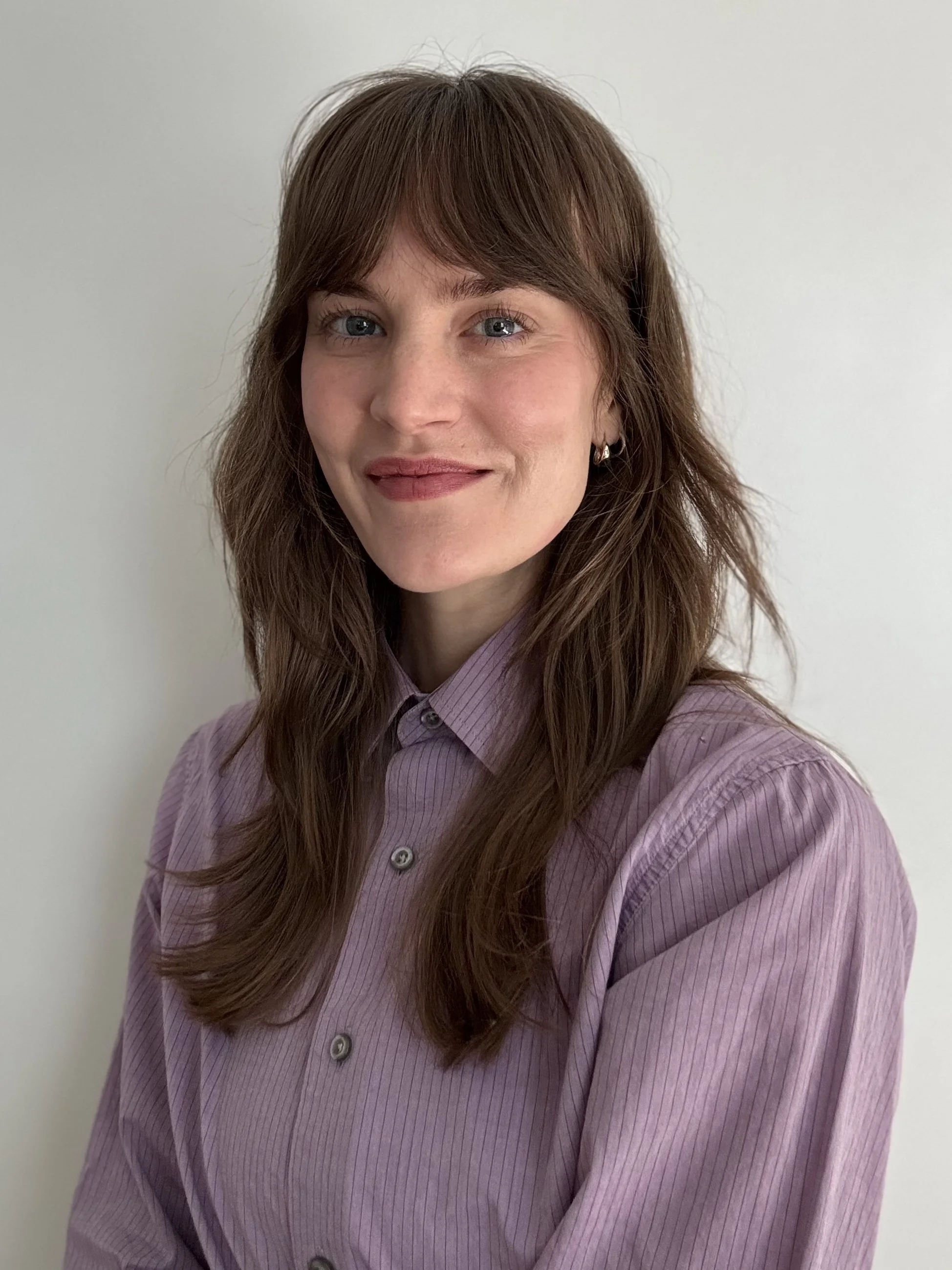
Lex’s work is rooted in how we communicate, navigate, deconstruct, and reconstruct boundaries. Our environments often reveal that these boundaries provide only false notions of control. Just like caution tape that gets caught in the wind, or traffic cones that get run over, the boundaries we create are temporary constructions. Seeing the falsity in boundaries and objects as a means of ‘protection’ has made her fully invested in how the body acts as a boundary.
Montenez Lowery
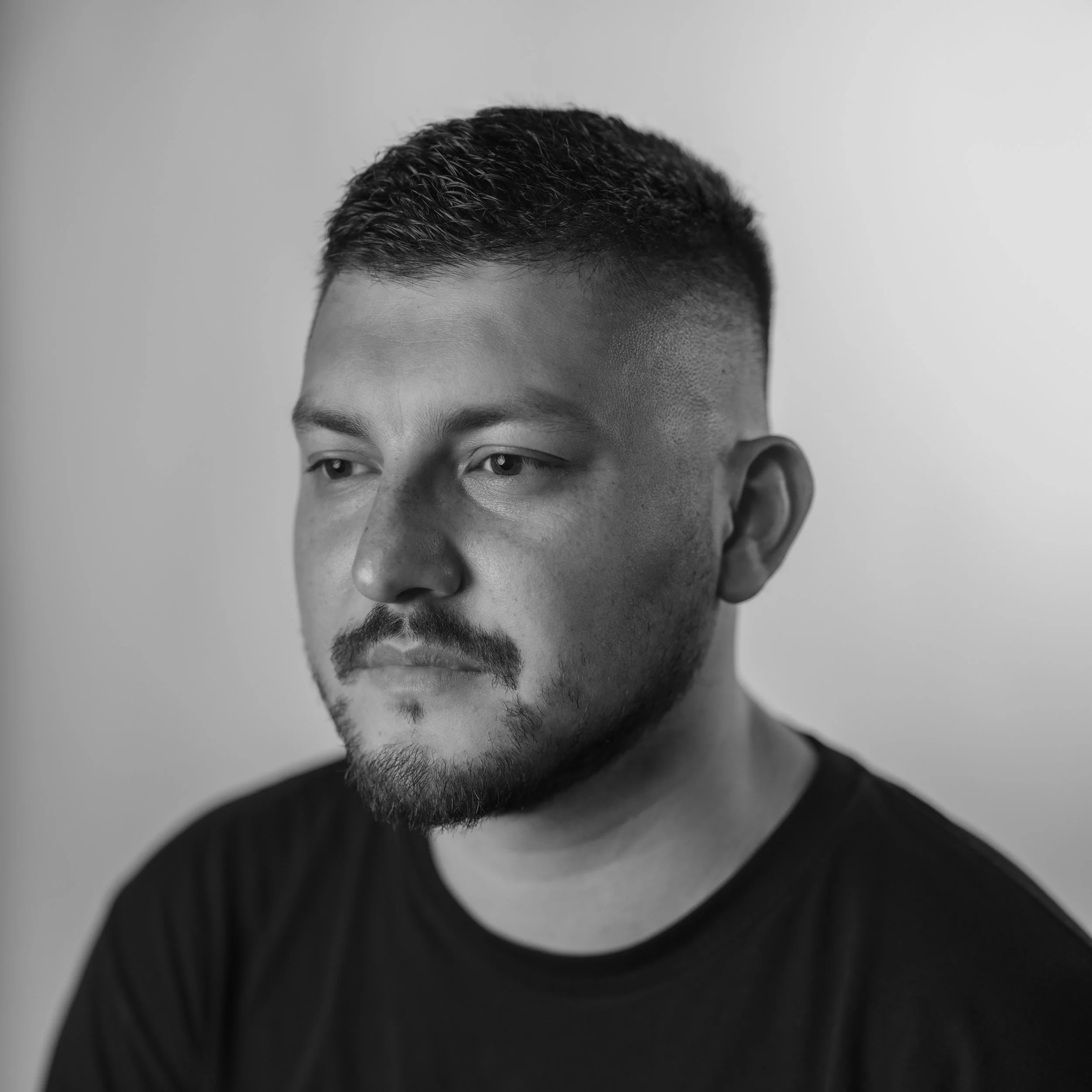
Montenez Lowery is a multidisciplinary Black American artist and writer based in Atlanta, GA. Working primarily with alternative photographic processes, his practice explores Black identity, memory, and loss, with recent work examining colonial infrastructures, photography’s role in shaping racial narratives, and contemporary cultural appropriation. Lowery’s work invites viewers to reflect on the past while recognizing their place within ongoing histories.
He holds a BFA in Photography from the Ernest G. Welch School of Art. His work has been featured in Analog Forever, The Hand Magazine, and Atlanta Center for Photography’s New South Vol. II. He is a recipient of the IDEA Capital Grant and the Larry and Gwen Walker Award, and has received honors including a Lenscratch Student Prize Honorable Mention and recognition from the Sony World Photography Awards Student Competition. His work has been exhibited at Somerset House (London), Colorado Photographic Arts Center (Denver), Swan Coach Gallery (Atlanta), and Georgia Perimeter College (Atlanta).

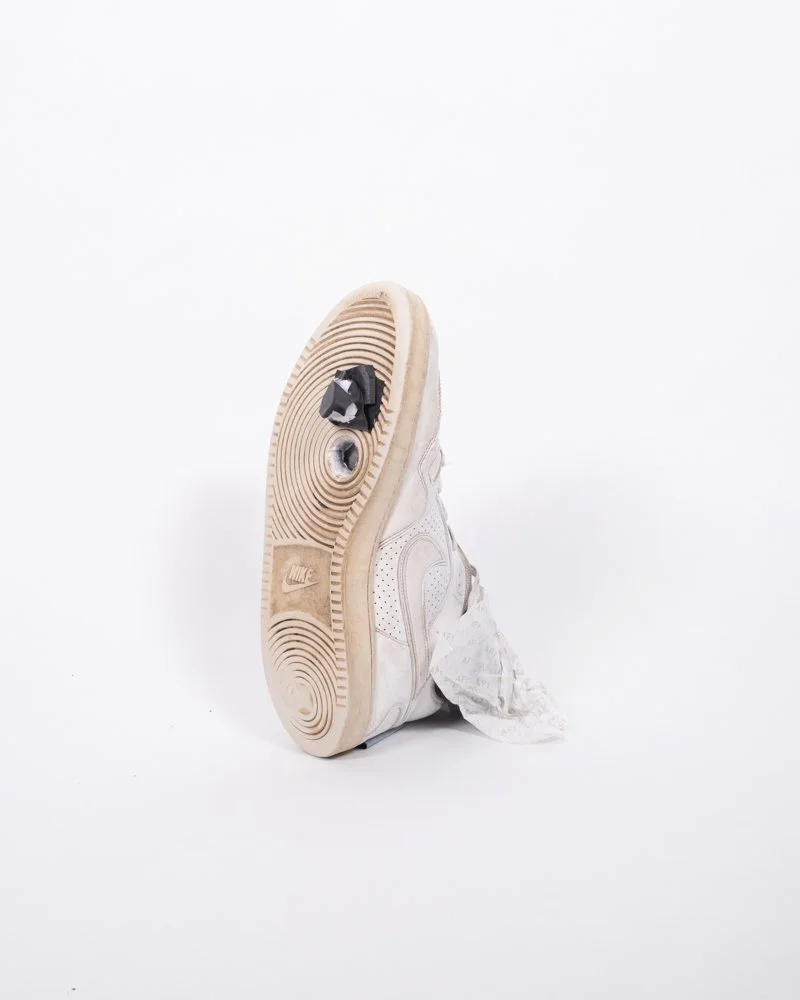
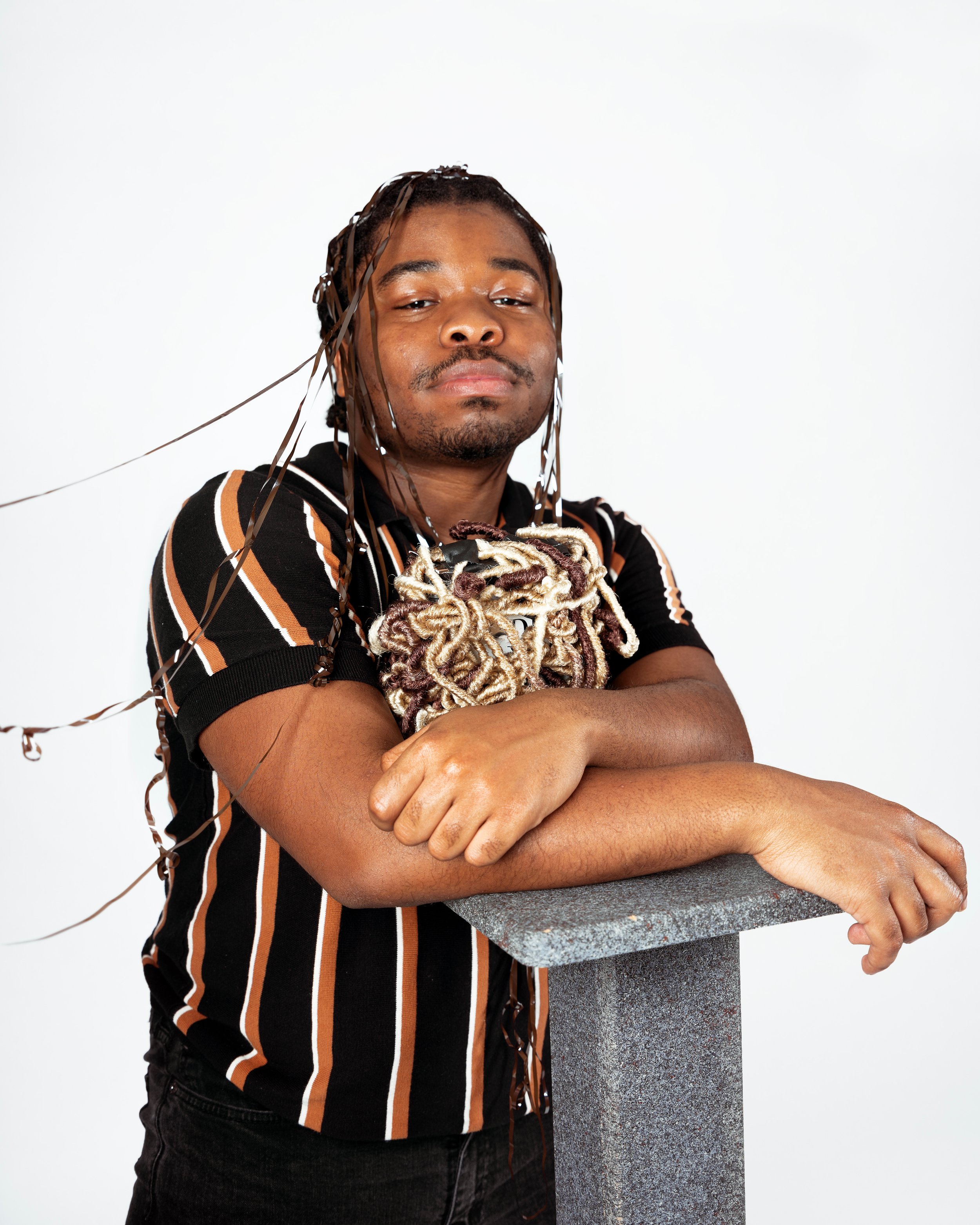
How can the tools used to propagate systems of power be turned back against them? This question guides Montenez's multidisciplinary practice. He repurposes colonial and oppressive instruments, transforming them into sites of reflection and cultural affirmation, with photography as the foundation. Photography grounds the work in lived reality while moving fluidly across mediums and materials. This flexibility is necessary to portray systemic power, which produces uneven, overlapping experiences rather than a single story. Montenez creates charged, time-based encounters where material, object, sound, and viewer converge. The audience becomes participants, and together the object and viewer share responsibility for meaning, mirroring power’s entangled structures.